
Advanced ADAS calibrations
01 / 05Building internal SOPs to troubleshoot and align driver-assistance systems across conflicting OEM specifications.


The R&D Tax Credit is based on the work you do — not the industry you're in. If your shop develops new repair procedures, integrates complex technologies, or creates custom solutions, you may have qualifying activity.
Your shop doesn't have to be a technology company to potentially qualify.
Many auto repair owners assume the credit is reserved for technology startups and pharmaceutical companies. That assumption often causes shops to overlook work they are already doing.
Everyday service generally will not qualify on its own.
Activities involving new procedures, complex integration, or custom modification may.
The credit is activity-based, not industry-based.
What the shop is actually doing matters.Qualifying activity is evaluated against four connected requirements. Not every technical job meets them — the question is whether the work, taken together, satisfies the test.
The activity aims to create a new or improved business component, such as a specialized repair technique, internal software, or proprietary tooling.
The shop faces genuine technical uncertainty about the capability, method, or final design of the repair or modification.
The team evaluates alternative solutions through systematic testing, trial-and-error, simulation, or modeling.
The process relies on hard sciences such as mechanical engineering, electrical engineering, metallurgy, or computer science.
These are examples of sophisticated work already happening in many modern automotive businesses. They may be relevant when the four-part test is met — they are not automatic qualifications.
Building internal SOPs to troubleshoot and align driver-assistance systems across conflicting OEM specifications.
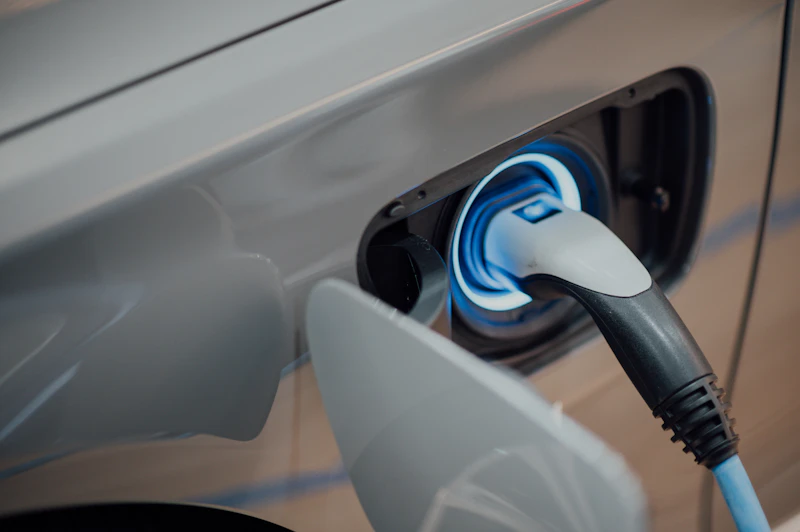
Developing proprietary safety protocols, high-voltage battery diagnostic methods, or custom EV performance configurations.

Experimenting with aftermarket parts, ECU remapping, or custom fabrication where the final outcome isn't known up front.

Designing and building unique fixtures, brackets, or tooling to solve non-standard mechanical problems.

Building or customizing shop-management software, diagnostic database connections, or client portals.
When activity meets the four-part test, several categories of expense may potentially be involved. This is a starting map for shop owners — not a complete tax analysis.
The share of technician, machinist, or manager salaries tied directly to experimenting, testing, or developing the process.
Materials fully consumed in testing, including prototyping metals, single-use diagnostic sensors, and similar materials.
Fees paid to outside engineers, software developers, or calibration specialists supporting technical work.
For a shop that assumes “we're not inventing anything,” that's often the wrong test.
Recent changes to federal R&D expensing rules may allow qualifying businesses to recover costs sooner.
The relevant question is how a technical problem was solved — not whether the shop has a patent. ADAS calibration programs, EV diagnostic methods, and custom diagnostic processes are the kinds of work that can put that question in play.
Whether a credit is available depends on the facts of the activity. This page is not a determination that any shop qualifies.
Walk through the shop's day-to-day work — calibrations, diagnostics, fabrication, software — and identify activities that may meet the four-part test.
Help organize wage, supply, and contract research records needed to support a claim.
Develop a realistic estimate of the potential credit so the business owner can decide whether pursuing it makes sense.
Provide the documentation and estimate to the business's existing tax preparer, who incorporates the credit into the actual filing.
The R&D Tax Credit is one of several federal and state incentives that businesses may potentially qualify for. If it isn't the right fit, there may be other ways we can help.
Affiliated Advisors identifies and documents qualifying tax-credit opportunities and works alongside the business's existing CPA or tax preparer. The goal is to complement that relationship, not replace it.
Affiliated Advisors does not prepare or file tax returns. Your existing tax preparer incorporates the documentation and estimate into the actual filing.
There is no cost to determine what the business may qualify for.
If the business chooses to move forward, Affiliated Advisors is compensated as a percentage of the savings based on the credits and incentives pursued.
The fee is paid only after the business actually receives the government funds.
Find out what your auto repair business or dealership may qualify for. A review is the place to start.
Schedule Your Free ReviewFree. No obligation.